

Description
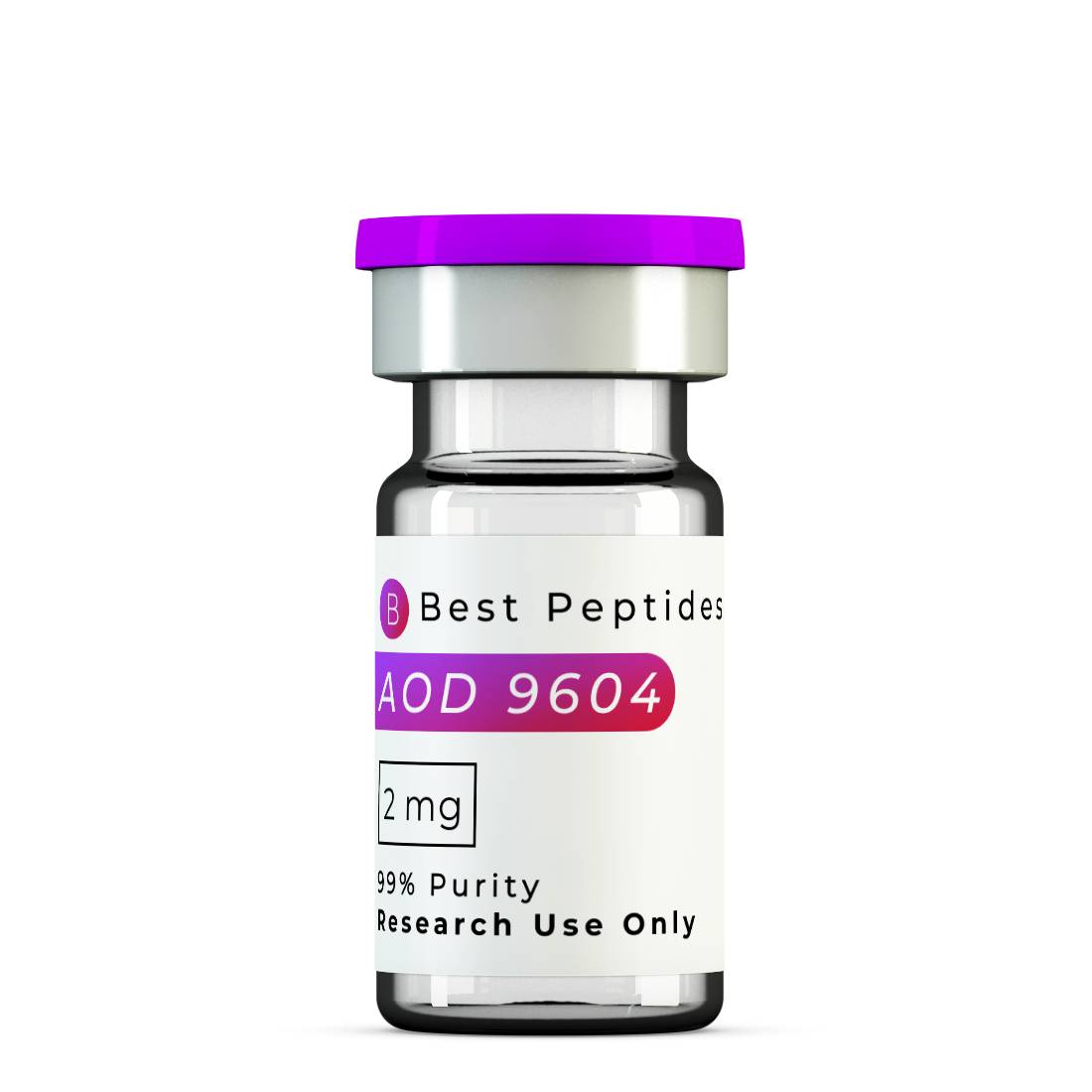
AOD 9604 is a synthetic peptide that mimics a natural human growth hormone (GH) fragment. Its sequence spans amino acids 176-191 at the C-terminus of the human GH molecule, which is a region that controls fat metabolism but without the adverse effects on blood sugar or growth that are seen with unmodified growth hormone. Originally, AOD 9604 was developed with the intention of fighting obesity and aiding in weight loss by stimulating lipolysis (the breakdown of fat) and inhibiting lipogenesis (the transformation of nonfat food materials into body fat).
One of the unique features of AOD 9604, in contrast to many other weight loss or fat loss agents, is its purported lack of influence on growth or insulin regulation. It attempts to mimic the way natural growth hormone regulates fat metabolism but without the adverse effects on blood sugar or growth that can come from using the GH itself.
AOD 9604 has been subject to various research studies and clinical trials to explore its efficacy and safety profile. Despite its potential, it’s important to note that in many regions, its use may be restricted to research settings and it may not be approved for clinical use by regulatory bodies such as the FDA in the United States. This status could affect availability and use for individuals looking into its potential for weight loss or athletic performance enhancement.
In the context of sports and athletics, AOD 9604 has been mentioned in discussions about performance-enhancing substances. Its potential effects on fat metabolism might offer an advantage in sports that value weight control or have weight classes. However, this also brings up questions regarding its legal status and ethical considerations in sports. Athletes considering its use should be aware of the regulations of their sport’s governing bodies regarding performance-enhancing drugs.
Due to its nature, it’s highly recommended that anyone interested in using AOD 9604 consult with healthcare professionals to understand its implications fully, including potential benefits, risks, and legal status in their jurisdiction.


Reviews
There are no reviews yet.